
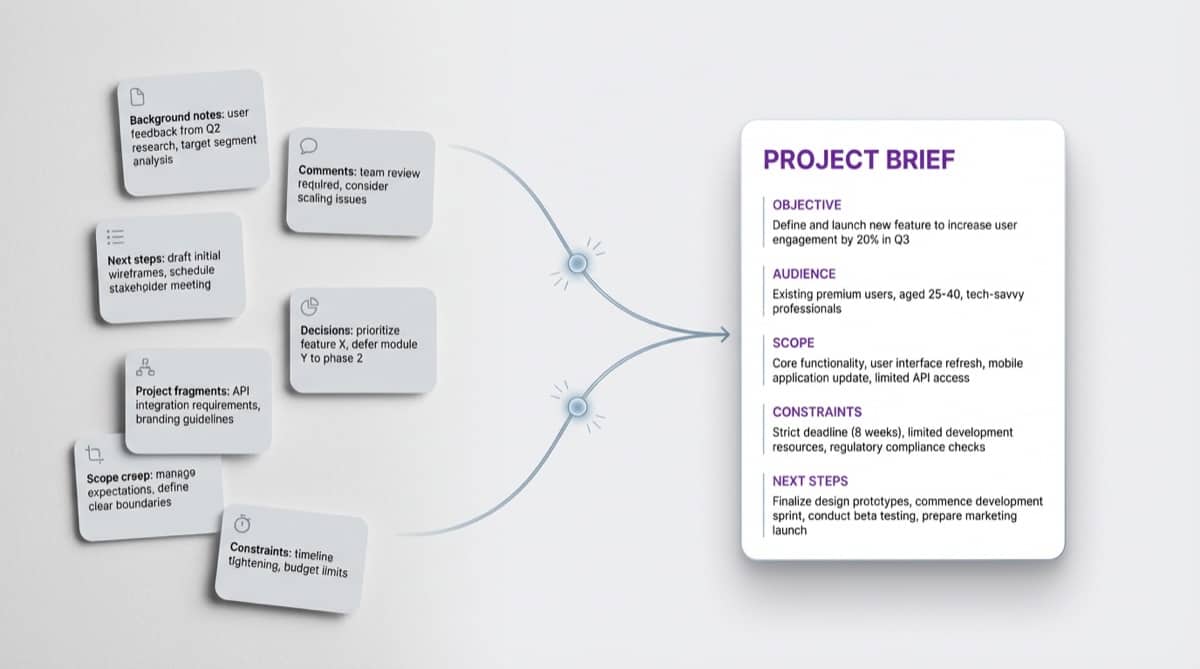
Project Brief Template for Clearer Team Alignment
A project brief template should compress context, judgment, and next steps into a version another person can read quickly enough to act on.
FormaLM Blog Category
Guides to choosing a brief, recap, timeline, FAQ, summary, or another format that fits the job.
Use these articles when choosing the format is the first decision you need to make.
Begin with the article that gives this topic the clearest practical frame.
A project brief template should compress context, judgment, and next steps into a version another person can read quickly enough to act on.
More guides and essays about format guides.
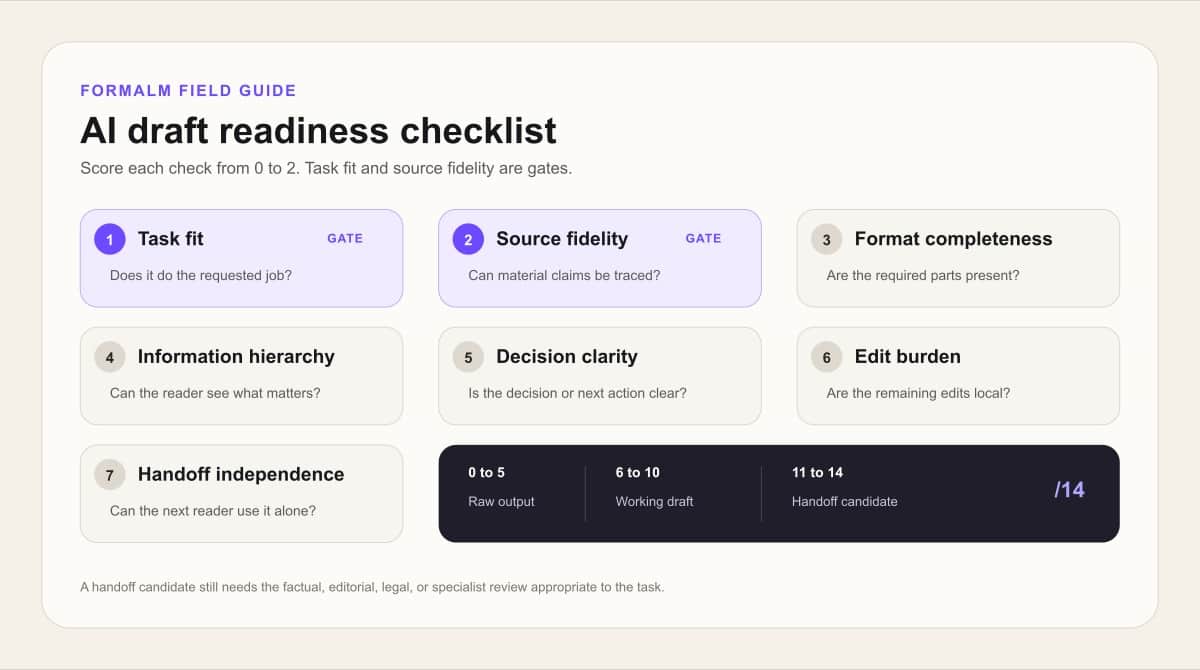
A fluent AI draft can still be unusable.
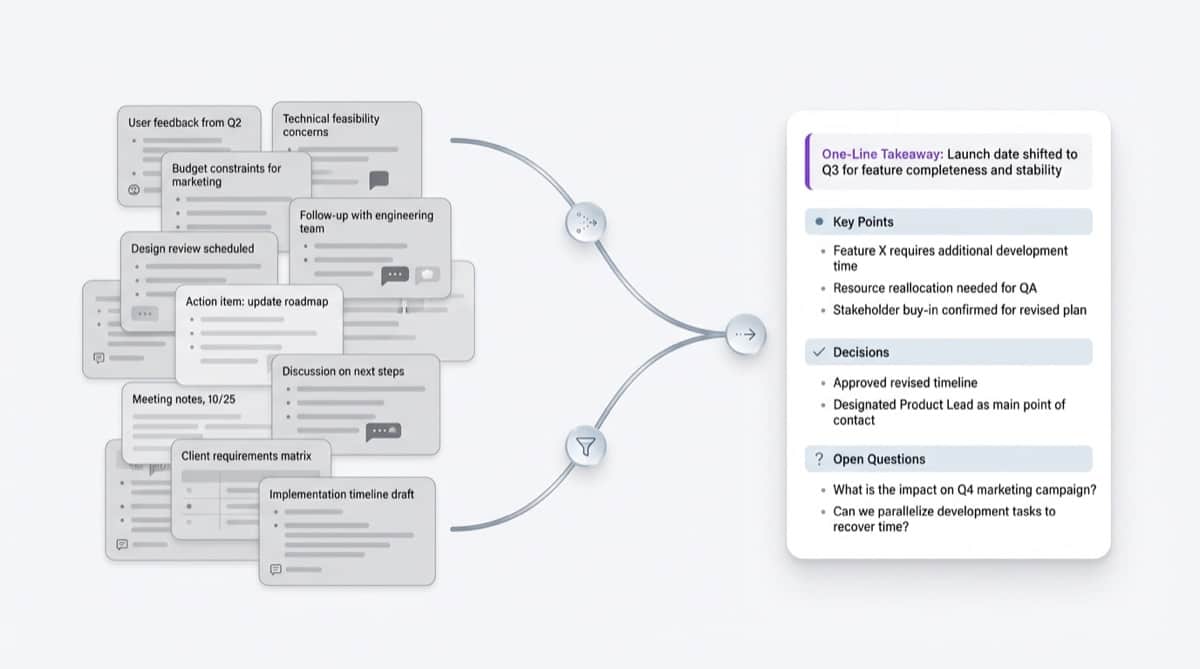
Most teams do not need a longer meeting summary. They need one they can reopen three days later and understand without reconstructing the meeting.
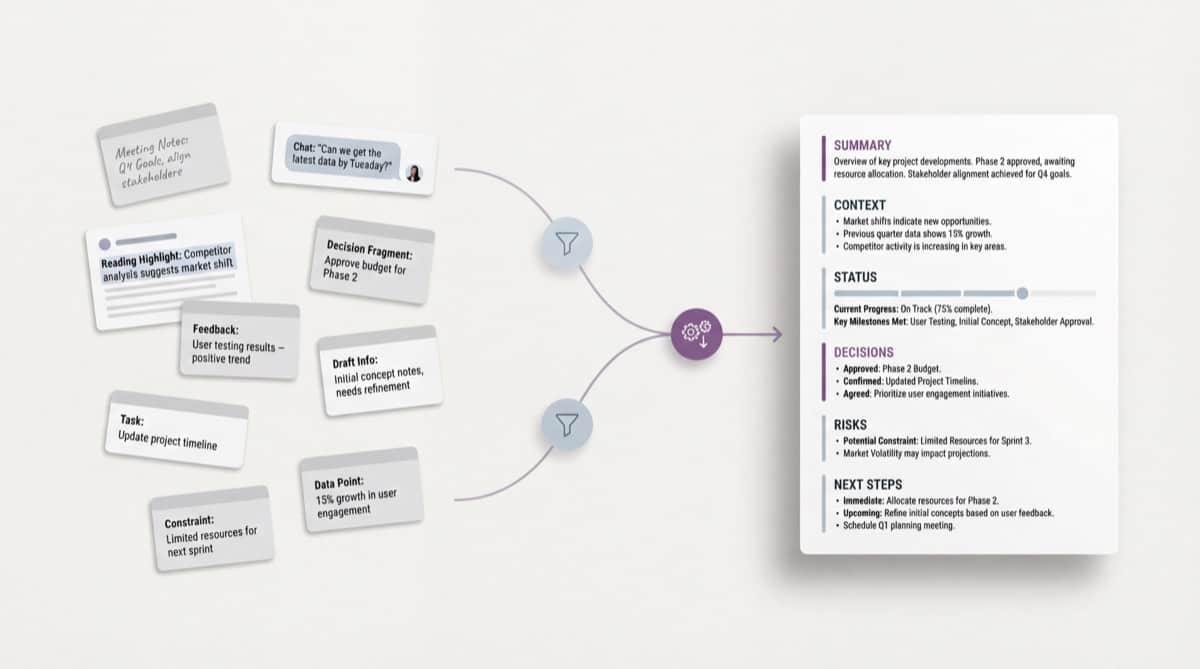
A briefing page is what teams reach for when they need one page that can travel. It needs to work in a Slack thread, a meeting follow-up, a leadership update, a planning review, or a handoff to someone joining late. It has to carry enough context to orient the reader, but not so much that the page collapses under its own background.
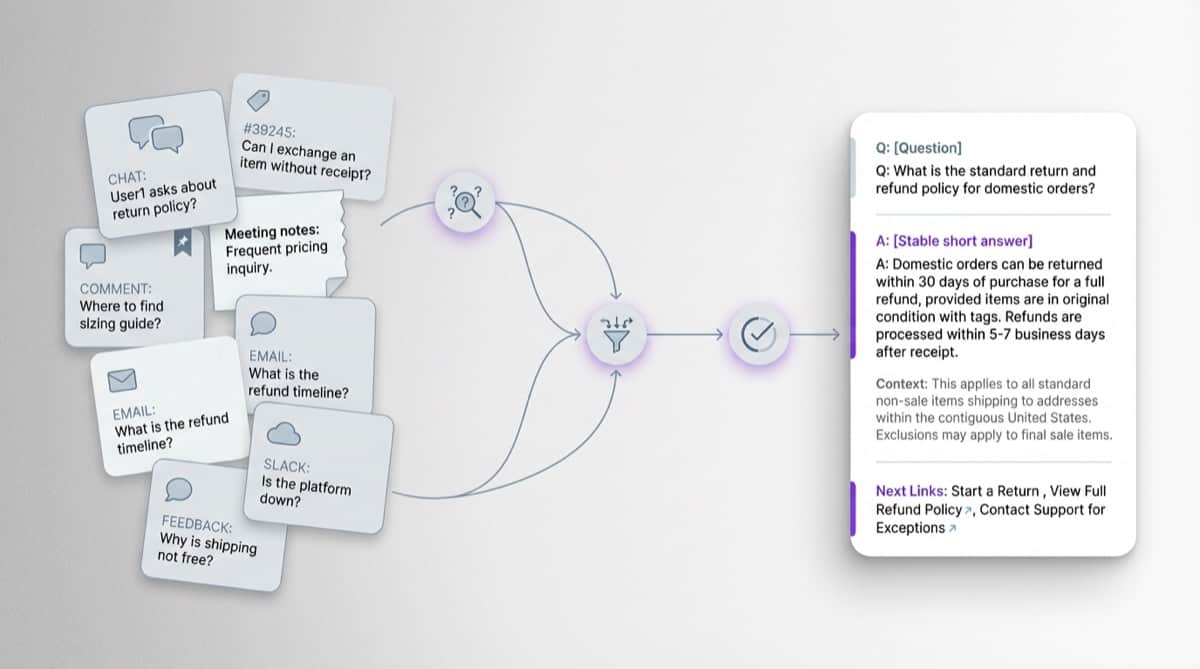
An internal FAQ should turn repeated answers into a stable version the team can trust.
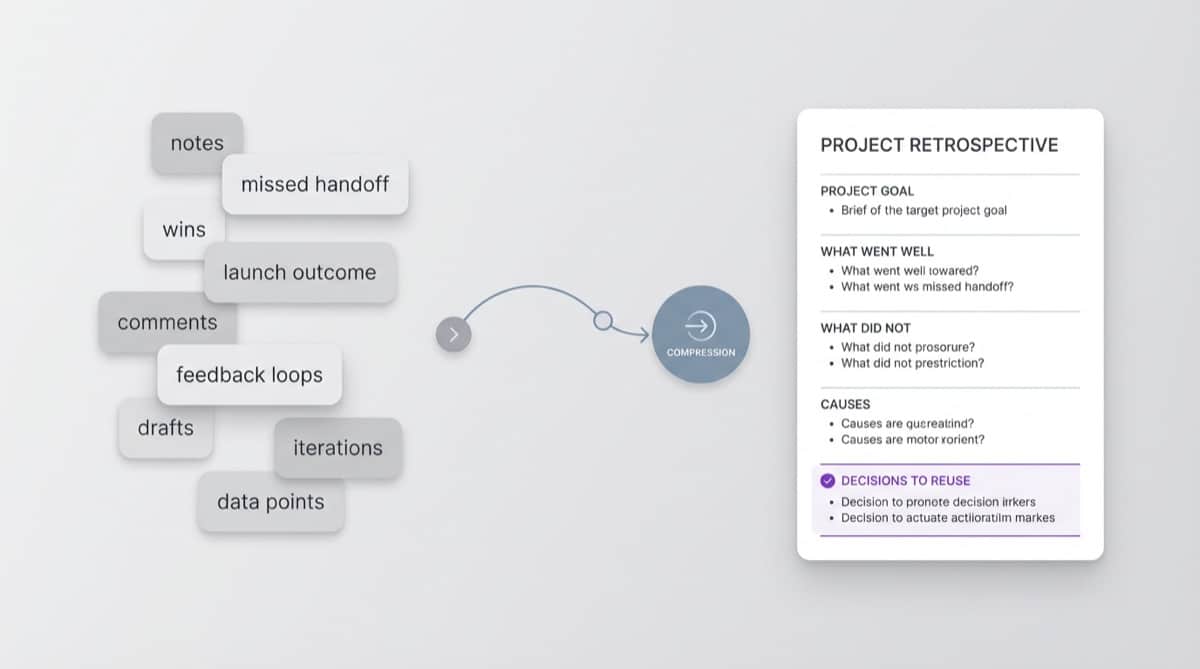
A project retrospective should turn scattered memories into judgment the team can reuse, without reconstructing the project from Slack threads, half-remembered meetings, and conflicting opinions.
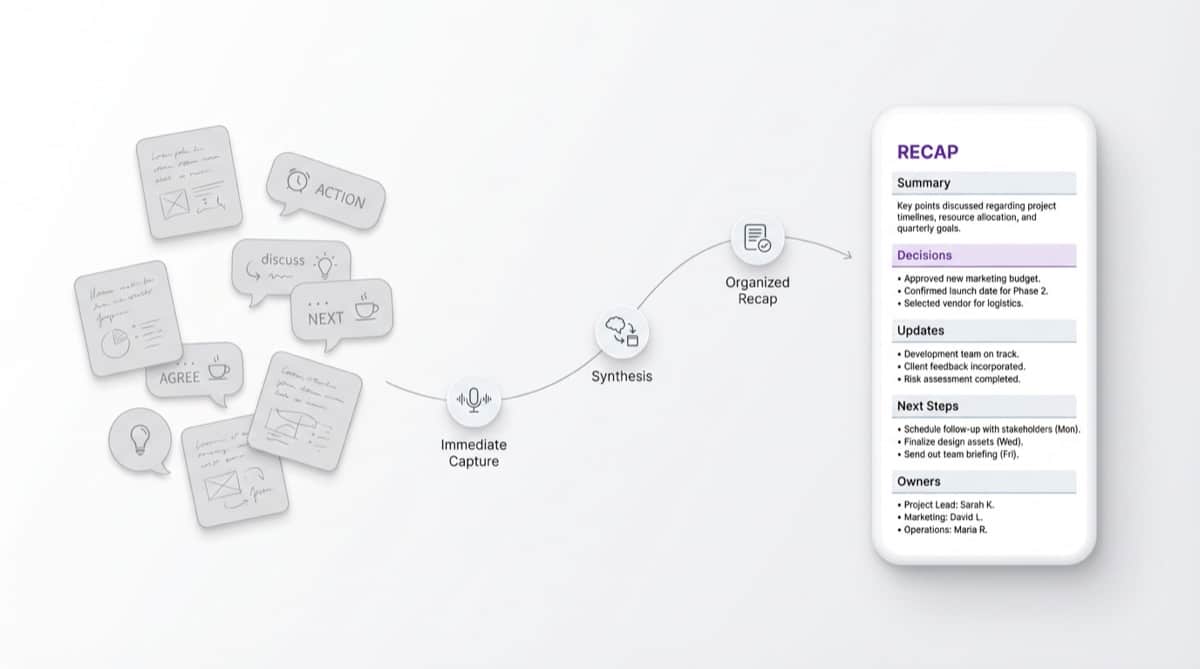
A meeting recap turns fresh decisions, changes, and commitments into a version other people can use.
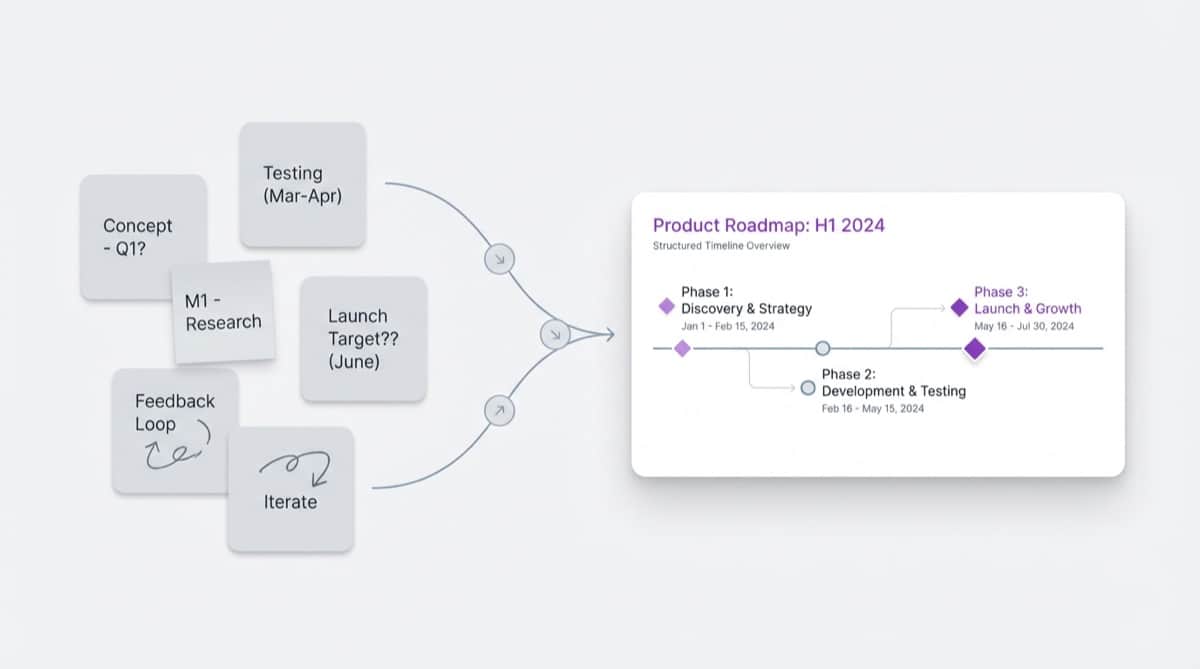
A project timeline should make sequence, timing, ownership, and progress easy to explain. The visual style is secondary to organizing scattered dates, milestones, dependencies, and partial plans into a version the team can use.
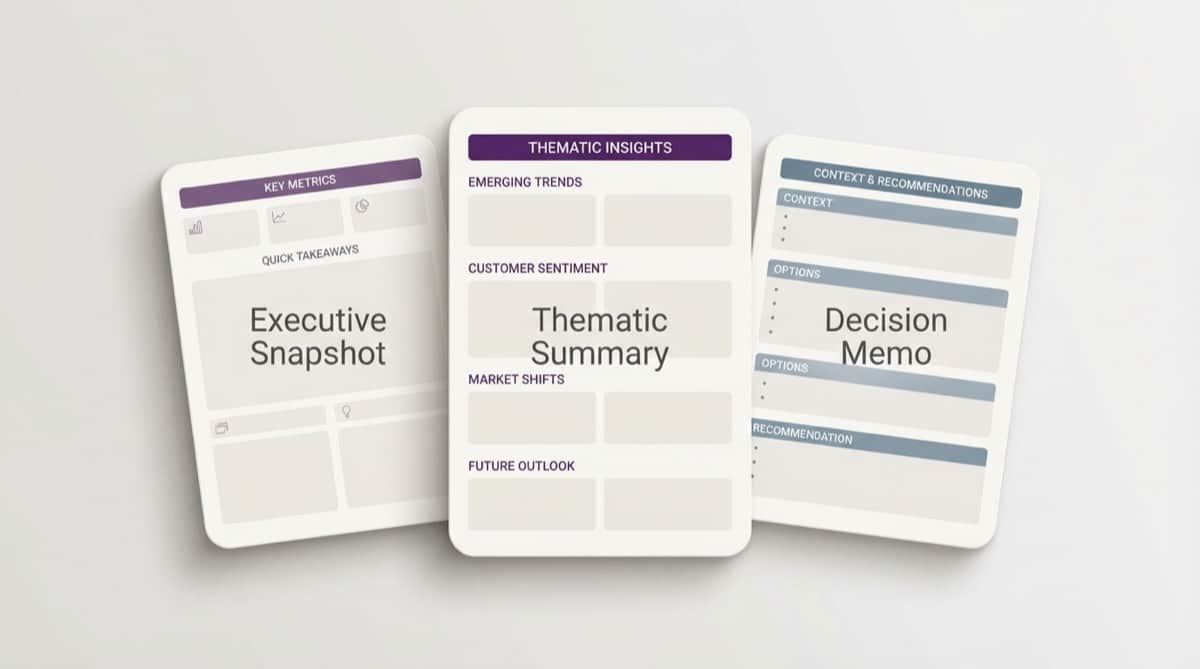
A research summary usually fails in the same way: the material is real, but the shape is wrong.
Explore related questions that affect the same work.
See how FormaLM applies these ideas in its formats, templates, and workflow.